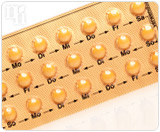
 With recent research of hormone-based medications, some women may be wary of taking birth control pills because of the unintended side effects. Research shows that taking birth control pills for an extended period of time can increase the risk of breast, cervical, and liver cancers. However, uninterrupted use of oral contraceptives can also decrease the likelihood of developing other kinds of cancer.
The growing concern has offered the contraceptive alternative of the mini-pill. Read on to find out how it works and why it’s different from conventional birth control pills.
What Is the Mini-Pill?
Traditional pills contain a combination of estrogen and progestin, a synthetic hormone that mimics the effects of progesterone in the body. Because birth control is only effective if taken on a regular or semi-regular basis, such as those oral contraceptives that break on the week that you menstruate, these pills sometimes spark concerns about the effects of too much estrogen exposure. However, the mini-pill only contains progestin and it administers the hormone in lower doses. Despite this primary difference, it should be taken daily like any other pill and at the same time each day.
How Does the Mini-Pill Work?
The mini-pill prevents conception by making the mucus of the cervix thicker. This reinforced barrier will block sperm from fertilizing the ovum. In addition, the mini-pill may prevent ovulation altogether.
Because of its low dosage, the mini-pill’s effectiveness ranges from 87 to 99 % in women who take it for a full year. Women who get pregnant while taking the mini-pill will face a higher rate of an ectopic pregnancy in which the fetus implants outside of the womb.
What Are the Advantages of Taking the Mini-Pill Instead of a Regular Birth Control Pill?
 In addition to a lowered risk of estrogen dominance, women who are breast feeding may choose to take the mini-pill in order to prevent interference with milk production. Also, women who are at an increased risk for blood clotting and heart-related ailments can take the mini-pill without worrying about the effects of high estrogen levels on heart health.
What Are the Side Effects of the Mini-Pill?
Risks associated with the mini-pill include irregular periods, ovarian cysts, depression, low sex drive, fatigue, breast soreness, weight gain or loss, and headaches.
More Information about HRT
Progesterone is the hormone responsible for ovulation in reproduction-aged women. Click on the following link to learn more about HRT and pregnancy.
Share This |
|---|