Understanding Female Hormones
A woman's hormones are crucially important for the regulation of nearly all of the body's physical and emotional functions.
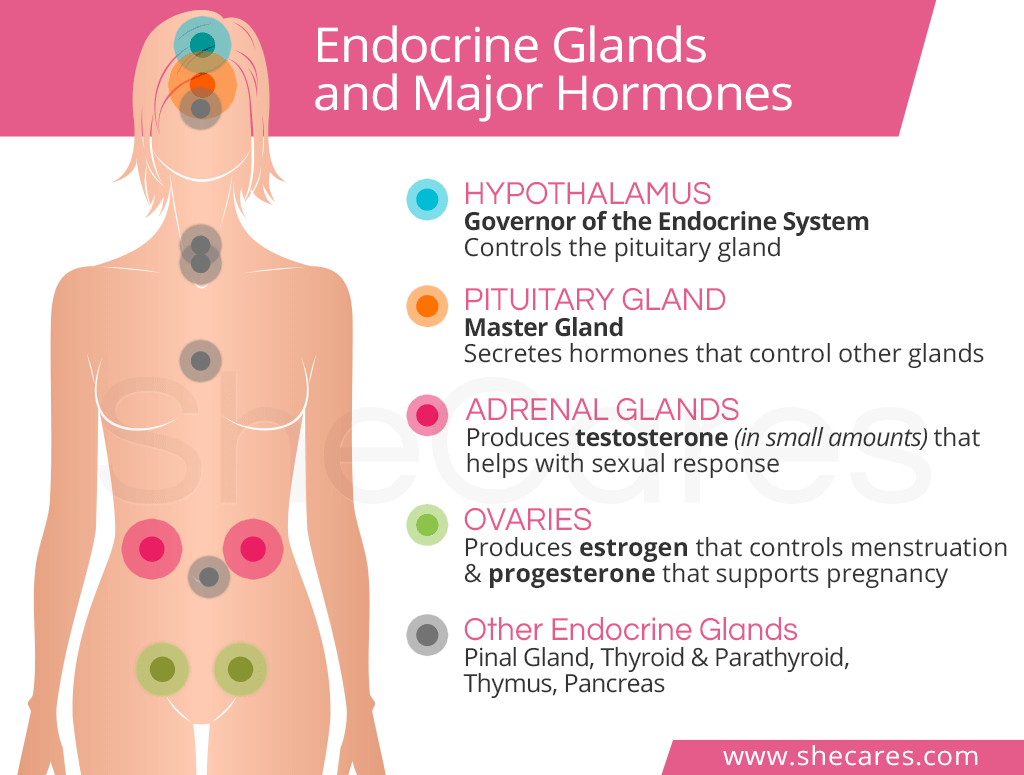
Hormones are chemical messengers that are produced in the body and transported through the bloodstream. Over 200 hormones and hormone-like substances have been discovered within the human body.
Of those, steroid hormones have been scientifically recognized for having a significant impact on the health of women, facilitating everything from reproductive function to behavior, cognition, and more. The infamous trio – estrogen, progesterone, and testosterone – take center stage.
The sections below discuss more about hormones' purpose within the female body, from detailing their various roles and effects to identifying valid hormonal imbalance treatment options.
Sections
Hormones Role & Effects
Hormones serve as an internal communication system from the endocrine glands to the target organs.
This allows for healthy functioning of the reproductive tract, respiratory system, bones, brain, metabolism, and so many more organs and systems.
Among hormones' roles in women are guiding the menstrual cycle, bringing a pregnancy to term, encouraging overall sexual health, protecting bone density, and sustaining cognition, among others.
Hormone Tests
Hormone tests are designed to pinpoint the underlying cause behind hormonal imbalance symptoms.
The most common hormones measured include estrogen, progesterone, testosterone, thyroid hormones, cortisol, and prolactin through blood, salivary, or urine tests.
Understanding their importance throughout the reproductive stages, from premenopause to postmenopause, is key to taking advantage of them for overall health.
Hormone Levels
Healthy hormone levels are vital throughout the various stages of the reproductive lives of women.
When working in harmony with one another, hormones make life effortless, practically handling themselves. However, when an imbalance surfaces, symptoms will arise to warn of it and call for prompt action.
As such, understanding exactly what can come about from a hormonal deficit or excess is an integral step in the detective work necessary for identifying an imbalance.
Estrogen
Estrogen is the most prevalent female hormone and is synonymous with femininity. It plays a central role in uniquely female functions, like regulating the menstrual cycle, in addition to:
- Promoting the formation of female sexual characteristics
- Conserving the integrity of mucous membranes
- Preserving uterine tissue, bone density, and heart health
An estrogen imbalance is surprisingly common among women of different ages, coming with a wide spectrum of symptoms that can affect women physically or psychologically.
Progesterone
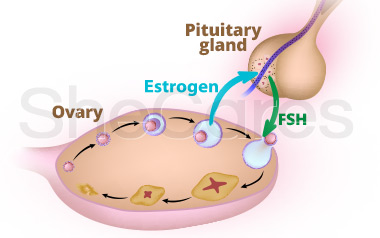
Working alongside estrogen, progesterone predominantly regulates fertility processes to ensure women a healthy conception and pregnancy. Some other principal roles of progesterone are:
- Producing calming effects in the brain
- Curbing contractions in pregnancy to prevent preterm labor
- Modulating immune system activity
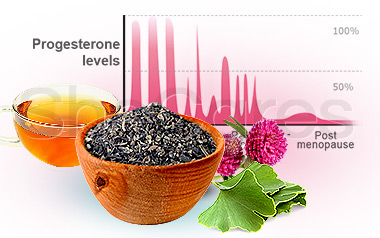
Likewise, a progesterone imbalance can also occur at any stage of reproductive life and leads to symptoms that are debilitating for some women.
Testosterone
Although considered a “male” hormone, women also produce testosterone in their bodies. Testosterone hormones are responsible for a boost in libido and sexual response, alongside other functions. Some principal roles of testosterone are:
- Converting fat into muscle.
- Strengthening brain tissue and blood vessels.
- Fomenting positive feeling and well-being.
Testosterone imbalance happens to women of all ages; those who are older are more prone to lower testosterone levels. Some symptoms, such as loss of libido and fatigue, can be disruptive and upsetting.

Hormonal Imbalance
Hormonal imbalance occurs when the body produces too much or too little of a certain hormone, throwing off the overall hormonal equilibrium characteristic of the body.
Many hormonal imbalance causes are natural, as is the case with pregnancy, childbirth, or breastfeeding. Others might be induced through radiation therapy or other procedures, brought about by unhealthy habits, or related to other health conditions, like pituitary, thyroid, or adrenal disorders.
Moreover, the signs and symptoms of hormonal imbalance present themselves physically and psychologically, making it of the essence to pursue quick and effective treatment to address the underlying cause.
Click on the following link to learn all about hormonal imbalance treatments so that you leave with the information you need to feel equipped and ready to create better quality of life for yourself!
Medical Treatments for Hormonal Imbalance
HRT
While Hormone Replacement Therapy can be a highly effective treatment for relieving hormonal imbalance, it also carries the risk of harmful side effects. When the symptoms of hormonal imbalance are severe, sometimes women are encouraged to choose this treatment.
Bioidentical
Bioidentical hormones are also a hormonal replacement therapy manufactured to have an identical molecular structure to naturally produced hormones; however, this therapy has not undergone long-term studies to prove its safety.