About Hormone Replacement Therapy (HRT)
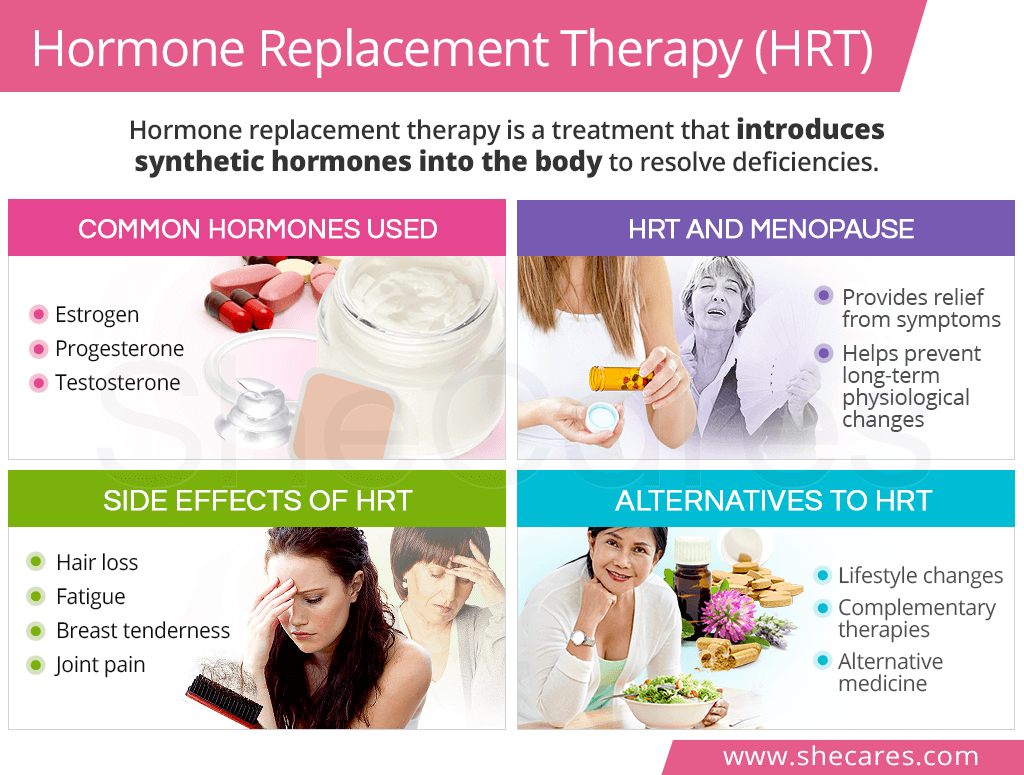
Hormone replacement therapy is a treatment that introduces synthetic hormones into the body. It addresses natural hormone deficiency and provides relief from problematic menopausal symptoms.
There are various types of HRT: implants; topical creams, gels, and sprays; pills and tablets; skin patches; or vaginal rings, creams, and suppositories. The type prescribed is based on symptoms experienced and a woman's personal preference.
Click on the following link to learn more about hormone replacement therapy or keep reading to find out about the most common hormones used in replacement therapy.

Common Hormone Replacement Therapy (HRT)
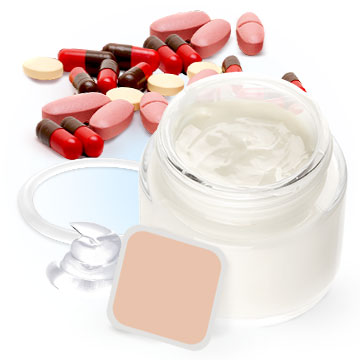
The three main hormones replaced during HRT are:
- Estrogen, most commonly prescribed alone or in combination with progesterone
- Progesterone, frequently combined with estrogen
- Testosterone, rarely prescribed unless in small dosages or in combination with other hormones
Click on the following link to learn more common hormones for replacement therapy or keep reading to find out more about each HRT option below.
Estrogen Replacement Therapy
Estrogen replacement therapy (ERT) is the introduction of external estrogen into a woman's body.
Most of the time, estrogen is combined with progesterone to create a compound hormone replacement therapy. However, for women who have undergone a hysterectomy, it is safe to take estrogen-only hormone therapy.
Click on the following link to discover important details about estrogen replacement therapy for menopausal symptom relief, including its side effects, or keep reading about another viable HRT option, progesterone replacement therapy.
Progesterone Replacement Therapy
Progesterone replacement therapy (PRT) is the introduction of exogenous progesterone into the body to replenish the hormone's insufficient levels.
Although its use is recommended alongside estrogen replacement therapy, PRT can be taken on its own, although treatment progress should still be monitored closely with a trusted doctor.
Click on the following link to learn more about progesterone replacement therapy for hormonal imbalance, not forgetting its side effects, or keep reading to learn more about the third hormone prescribed for HRT, testosterone.
Testosterone Replacement Therapy
Testosterone replacement therapy (TRT) is a hormone therapy that replaces endogenous testosterone with external substitutions in order to bring a woman's body out of hormonal deficit.
In general, doctors rarely prescribe stand-alone testosterone for women. Instead, they recommend a combination of all three hormones if testosterone levels are too low.
Click on the following link to learn more reputable information about testosterone replacement therapy and its side effects, or continue on to the next section about HRT and menopause.

Hormone Replacement Therapy (HRT) and Menopause

During perimenopause, HRT works by adding hormones to the body and boosting hormone levels, thus providing relief from a variety of symptoms, such as:
Furthermore, HRT during menopause confronts long-term physiological changes and serious health conditions that may evolve into postmenopause from declining hormone levels, including:
- Heart disease and stroke
- Pelvic floor weakness
- Bone loss (osteoporosis)
- Among others
Side Effects of Hormone Replacement Therapy (HRT)

Adverse reactions can vary depending on the hormone and dosage, but some of the most common side effects of HRT include hair loss, fatigue, breast tenderness, joint pain, and weight gain, among others.
Some more serious side effects that can result from the use of exogenous hormones include extreme abdominal pain, fever, jaundice, chest pains, and double vision, with prolonged use increasing the risk of stroke, cardiovascular disease, blood clots, and more.
Click on the following link to learn all you need to know about the side effects of HRT, or continue reading to find out how else you can achieve symptom relief.
Natural Hormone Replacement Therapy (HRT)
Natural hormone replacement therapy, also known as bioidentical hormone replacement therapy (BHRT), is a hormone therapy that uses plant- or animal-based compounds to create hormones that are chemically identical to the body's.
While BHRT can be personalized to a woman's specific needs, natural hormone treatment has not proven safer or more effective than traditional HRT, and not all BHRT options are FDA-approved.
Click on the following link to learn more natural hormone replacement therapy, or keep reading to find out about alternatives to all types of hormone replacement therapy.
Alternatives to Hormone Replacement Therapy (HRT)

Many women in need of symptom relief may wish to pursue lower-risk HRT alternatives before taking the risk of using synthetic hormones.
Accordingly, alternatives to hormone replacement therapy are broken down into three categories: lifestyle changes, complementary therapies, and alternative medicine.
Lifestyle changes
Employing wholesome habits, an improved diet rich in the necessary macronutrients and phytoestrogens, and a more active lifestyle will have positive effects on hormonal balance.
Complementary therapies
Acupuncture, biofeedback, and stress-reduction therapies of yoga, tai chi, muscle relaxation, and deep breathing will have beneficial effects on endocrine system health.
Alternative medicine
Phytoestrogenic supplements and hormone-regulating supplements are the leading types of alternative medicine for menopause symptom relief. Both involve little to no risk and are considered safer and more effective than hormone replacement therapy when combined with aforementioned changes.
Click on this link for more information about alternatives to hormone replacement therapy so that you can find a natural, lasting solution to hormonal imbalance symptoms.

Sources
- Cleveland Clinic. (2017). Hormone Therapy: Risks / Benefits | Hormone Therapy. Retrieved April 1, 2019, from https://my.clevelandclinic.org/health/treatments/15245-hormone-therapy/risks--benefits | https://my.clevelandclinic.org/health/treatments/15245-hormone-therapy
- Dr. Susan Love Research Foundation. (n.d.). Alternatives to HRT: Complementary Care. Retrieved April 1, 2019, from https://www.drsusanloveresearch.org/alternatives-hrt-complementary-care
- Glaser, R. & Dimitrakakis, C. (2013). Testosterone therapy in women: Myths and misconceptions. Maturitas, 74(3), 230-234. doi: 10.1016/j.maturitas.2013.01.003
- Harvard Health Publishing. (2013). Testosterone therapy: Is it for women? Retrieved April 1, 2019, from https://www.health.harvard.edu/womens-health/testosterone-therapy-is-it-for-women
- Hickey, M. et al. (2006). Long-Term Progestin-Only Contraceptives Result in Reduced Endometrial Blood Flow and Oxidative Stress. The Journal of Clinical Endocrinology & Metabolism, 91(9), 3633-3638. doi: 10.1210/jc.2006-0724
- Innes, K.E. et al. (2010). Mind-body Therapies for Menopausal Symptoms: A Systematic Review. Maturitas, 66(2), 135-149. doi: 10.1016/j.maturitas.2010.01.016
- Mayo Clinic. (2018). Bioidentical hormones: Are they safer? Retrieved April 1, 2019, from https://www.mayoclinic.org/diseases-conditions/menopause/expert-answers/bioidentical-hormones/faq-20058460
- National Cancer Institute. (2018). Menopausal Hormone Therapy and Cancer. Retrieved April 1, 2019, from https://www.cancer.gov/about-cancer/causes-prevention/risk/hormones/mht-fact-sheet
- National Institutes of Health. (2018). Progesterone and the Progestins. Retrieved April 1, 2019, from https://livertox.nih.gov/Progestins.htm
- NHS. (2016). Types: Hormone replacement therapy (HRT) | Side effects: Hormone replacement therapy (HRT) | Risks: Hormone replacement therapy (HRT). Retrieved April 1, 2019, from https://www.nhs.uk/conditions/hormone-replacement-therapy-hrt/types/ | https://www.nhs.uk/conditions/hormone-replacement-therapy-hrt/side-effects/ | https://www.nhs.uk/conditions/hormone-replacement-therapy-hrt/risks/
- Victoria State Government. (2018). Hormone replacement therapy (HRT) and menopause. Retrieved April 1, 2109, from https://www.betterhealth.vic.gov.au/health/conditionsandtreatments/hormone-replacement-therapy-hrt-and-menopause



 for women introduces outside hormones into the body for symptom relief. Learn all you need to know about HRT here!&media=https://www.shecares.com/imgs/7/e/6/4485/hormone-replacement-therapy-hrt.png&url=https://www.shecares.com/hormones/medical-treatments/hrt)