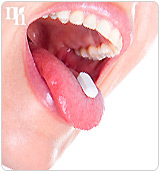
 Hormone replacement therapy (HRT) is an artificial treatment for menopause symptoms that has been a viable alternative to many of the natural alternatives that exist. Menopause symptoms are the natural result of declining estrogen levels in a woman’s body. As women approach a later stage of life their ability to produce estrogen is severely impeded. An imbalance of estrogen can lead to the onset of menopause symptoms including depression, restless nights, vaginal dryness, and changes in body odor. Keep reading to know the risks of taking HRT.
Negatives of Hormone Replacement Therapy
- HRT has been known to increase the chance of contracting breast cancer.
- HRT can lead to complications with blood clots.
Alternatives to Hormone Replacement Therapy
Lifestyle changes
Many of the menopausal symptoms can sometimes be averted or eased by subtle lifestyle changes, and it is these changes that many doctors will prescribe when menopause symptoms first manifest. HRT is often seen as the invasive, final option for women who are seeking relief from symptoms such as night sweats, insomnia, hair loss, and mood swings.
Natural remedies
 Women suffering from menopause symptoms often turn to phytoestrogenic herbs for relief. Such herbs work in a similar way to HRT, but without some of the harsher side effects. Herbs such as ginseng and black cohosh function by introducing plant-like estrogen into the body. Such functions can sometimes have dramatic results on menopausal women.
Hormone-regulating supplements carry out a similar function, but do so without any of the harmful side effects. Despite their increasing popularity, phytoestrogenic herbs are not considered to be as useful in combating menopause symptoms as HRT.
Treatments for Menopause Symptoms
HRT is seen as the most efficient method of dealing with the issue of menopause symptoms, but the treatment brings with it a significant degree of risk. The change in the natural balance of the body’s chemicals can cause dangerous symptoms; however, introduction of artificial chemicals through HRT to correct such a deficiency can also cause complications, such as hot flashes, blood clots, and certain types of cancer among women.
HRT is used by many menopausal women to treat their menopause symptoms. However, studies have found that HRT comes with a flurry of side effects which can be dangerous to women’s health. For this reason, it is advised that women consider all of the alternatives to this invasive treatment first, before they consider HRT.
Share This |
|---|