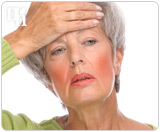
 Hot flashes, a vasomotor symptom of menopause, leave many women feeling flushed, nauseous, dizzy, and covered in sweat. The duration and frequency of hot flashes varies among women and can occur throughout the day. When hot flashes occur overnight, they are often referred to as night sweats. A myriad of factors are thought to cause hot flashes, but where does estrogen fit in the menopausal hot flash equation?
Read on to find out how estrogen hormones affect menopausal hot flashes.
What Is Estrogen?
Estrogen, which consists of a class of related hormones that include estriol, estradiol, and estrone, is the primary sex hormone of women. Responsible for female characteristics and healthy sexual functioning, it is essential to regulating the menstrual cycle, improving bone health and helping prepare the uterus for pregnancy.
Estrogen can cause women to retain fluids, and exposure from early menstruation can increase the risk of developing breast cancer. Estrogen helps to increase high density lipoprotein (HDL) or “good” cholesterol by lowering low density liproprotein (LDL) or “bad” cholesterol.
Role of Estrogen in Menopausal Hot Flashes
After menopause, estrogen levels decline dramatically, leading many women to experience vaginal dryness, memory loss, fatigue and the dreaded hot flashes. Investigators have suggested that changes in endogenous estrogen levels are the main reason for hot flashes, but how estrogen works to control hot flashes remains unclear. Some studies conclude estrogen influences the thermoregulatory, neutral, and vascular systems to control hot flashes and works by altering the firing rate of the hypothalamic neurons (neurons in the brain affecting thermoregulation and fever).
Low estrogen levels can contribute to causing hot flashes, but estrogen is not the only hormone responsible. Pregnant women often experience hot flashes due to elevated estrogen levels while low levels of progesterone and testosterone have also been known to cause hot flashes.
Management of Hot Flashes
 A helpful way to deal with menopausal hot flashes is to learn what triggers them and adapt behavior to help combat them. There is no right way to completely eliminate the occurrence of hot flashes, but they can be minimized with relaxation techniques such as deep breathing, meditation, or yoga which can help to calm nerves and deal with feelings of frustration and anxiety. Regular exercise and a well balanced diet can also help to keep hot flashes at bay as you go through menopause.
What is Estrogen? Wisegeek. Menopause Myths: Hot Flashes Are Due to Lowe Estrogen Levels. Hello Life. Estrogen.Web MD. Risk Factors For Hot Flashes in Midlife Women: Estrogen and Hot Flashes.MedScape Today MD.
Share This |
|---|
Our Readers also liked
- Signs of a lack of estrogen 818 views
- How to increase Estrogen hormone levels 615 views
- Understanding Low Estrogen Levels 387 views