 Catamenial epilepsy is a pattern of seizures that occurs during the menstrual cycle; this may be a result of the fluctuation of hormones and their effects on the brain.
If you suffer from seizures around your menstrual cycle or know someone who does, keep reading to learn more information about this condition and what methods are available for treatment.
Why Do Seizures Occur Around the Menstrual Cycle?
Studies suggest the reason for seizures is the fluctuation of the hormones estrogen and progesterone during the menstrual cycle. For most women with normal menstrual cycles, catamenial seizures typically occur just before or during menstruation, or just during ovulation. Women with irregular periods may find that they experience their seizures during the second half of the menstrual cycle, or the luteal phase. Seizure frequency is also known to shift during pregnancy and menopause.
What Is the Role of Estrogen and Progesterone?
For starters, estrogen has been found to heighten brain activity and possibly induce seizures, while research has shown that progesterone can inhibit seizures. During menstruation, women experience a surge of estrogen and a decrease in progesterone leaving the brain vulnerable to a seizure. However, if you have an abnormal menstrual cycle, your seizures may be less predictable.
Are There Any Treatments Available?
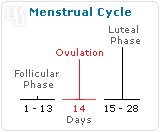
Like many medical conditions that are a result of a hormonal imbalance, hormone therapy is often seen as the solution. Cyclical hormone treatment raises the progesterone levels during the luteal phase of the menstrual cycle in hopes of muting the surge of estrogen women experience during menstruation and releasing it more gradually into the bloodstream.
Suppressive hormone therapy users completely avoid their menstrual period. It is worth noting that both of these methods of treatment come with severe side effects.
Additional Information
Consult your doctor. Hormone therapy is a risky method of treatment and should only be considered after other courses of treatment have been exhausted. Though it may not be as simple as altering your diet or exercising regularly, there are alternative treatments available. You should ask your doctor about them when discussing treatment options. Click on the following link for more information on the different ways to manage hormonal imbalance.
Share This |
|---|
Our Readers also liked
- Signs of a lack of estrogen 818 views
- How to increase Estrogen hormone levels 615 views
- Understanding Low Estrogen Levels 387 views