About BioIdentical Hormones
Bioidentical hormones - also known as natural hormones - are plant- or animal-based hormones identical in molecular structure to those produced in a woman's body.
They are derived from yams, soy, or pregnant mare urine to be then engineered in a laboratory to serve human purposes.
Click on the following link to learn more about bioidentical hormones and bioidentical hormone therapy, or continue on to the next section about the most common hormones used in bioidentical hormone replacement.

Common BioIdentical Hormones

The three main hormones replaced during BHRT are:
Click on the following link to learn more about common bioidentical hormones or discover more individualized information concerning each hormone within the sections below.
Bioidentical Estrogen Replacement Therapy
Bioidentical estrogens are plant- or animal-derived hormones that match the estrogen types found in the female body, which are estradiol, estrone, and estriol.
Bioidentical estrogen is available in various routes of administration, including transvaginal, oral, transdermal, or subcutaneous.
The hormonal imbalance symptoms that could be relieved by its use include vaginal dryness, hot flashes, night sweats, weight gain, sleeping problems, and many more.
Learn more about bioidentical estrogen replacement therapy, in addition to its benefits and side effects, by clicking on the previous link, or continue on to learn about progesterone.
Bioidentical Progesterone Replacement Therapy
Bioidentical progesterone is also a plant-derived hormone that is chemically identical to that of human progesterone.
Women may choose to administer bioidentical progesterone transvaginally, orally, or transdermally depending on personal preference and hormonal needs.
Moreover, women generally take bioidentical progesterone in order to alleviate symptoms of hot flashes, mood changes, weight gain, hair loss, and fatigue, among others.
Learn all you need to know about bioidentical progesterone replacement therapy, in addition to their side effects, by clicking on the previous link, or continue on to the next section to learn about testosterone.
Bioidentical Testosterone Replacement Therapy
As the least commonly given bioidentical hormone to women, testosterone is generally prescribed off-label and only to women with sufficient estrogen levels.
It is available in a few routes of administration, including oral, transdermal, and sublingual.
Some of the most common symptoms relieved with the introduction of the androgen into the body are loss of libido, depressed moods, irritability, lack of well-being, and loss of muscle mass.
Read more about the benefits and side effects of bioidentical testosterone replacement therapy, or discover more pertinent information about bioidentical hormones during a major turning point of a woman's reproductive life, menopause.

BioIdentical Hormones and Menopause

As a woman's fertile years end with the menopausal transition, drastic hormone fluctuations ensue, causing a variety of the symptoms that include, but are not limited to, hot flashes, night sweats, vaginal dryness, and mood swings.
For decades, women relied on hormone replacement therapy (HRT) to relieve their symptoms until its serious side effects were revealed. Ever since, women are moving steadily away from traditional HRT in favor of natural hormone replacement therapy.
However, bioidentical hormones are manufactured synthetically by a process similar to most pharmaceutical hormones, presenting safety and effectiveness concerns.
Click on the link for more information about bioidentical hormones and menopause, or keep reading to learn more in-depth information regarding bioidentical hormones side effects.

Risks and Side Effects of BioIdentical Hormones
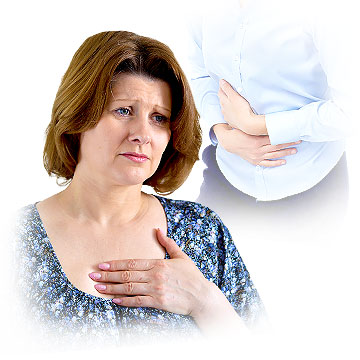
Little scientific evidence has surfaced regarding the risks of bioidentical hormone therapy, yet women who pursue any hormone therapy are at a greater risk of blood clots, stroke, heart disease, and more.
Likewise, the side effects associated with natural hormone therapy can vary depending on the hormone type and dosage, but general adverse reactions include breast tenderness, cramps, digestive issues, excessive hair, spotting, and more.
Click on the following link to learn all you need to know about bioidentical hormones risks and side effects, or continue reading to find out about less risky alternatives to bioidentical hormones.

Alternatives to BioIdentical Hormones

As bioidentical hormones risks and side effects are becoming more apparent throughout the years, women are looking for alternatives to natural hormone replacement, which includes a combination approach of:
Lifestyle Changes
Adopting lifestyle changes requires the most willpower, yet involves the lowest risk.
Positive changes that involve regular exercises, an optimized diet, and wholesome habits not only help alleviate symptoms of hormonal imbalance, but also drastically improve overall well-being.
Complementary therapies
Alongside lifestyle changes, some women may also wish to perform more holistic treatment alternatives to bioidentical hormones, which further promote endocrine system health.
Some of the most popular complementary therapies include acupuncture, biofeedback, and stress-reducing yoga, tai chi, and muscle relaxation, among others.
Alternative medicine
Women can reap the best results when combining aforementioned efforts alongside alternative medicine.
Two types of herbal remedies are primarily used in treating hormonal imbalance, phytoestrogenic supplements or hormone-regulating supplements. Both offer women unique properties to help them get up and going for a symptom-free life.
Click on the following link to find out more about alternatives to bioidentical hormones so that you can finally get back to feeling like yourself again without it being at the cost of your overall health.
Sources
- The American College of Obstetricians and Gynecologists. (2012). Bioidentical Hormones. Obstetrics, 116(5), 1209-1210. doi: 10.1097/01.AOG.0000390402.85827.c0
- Cleveland Clinic. (2014). Bioidentical Hormones. Retrieved July 15, 2019, from https://my.clevelandclinic.org/health/articles/15660-bioidentical-hormones
- Dr. Susan Love Research Foundation. (n.d.). Alternatives to HRT: Complementary Care. Retrieved July 15, 2019, from https://www.drsusanloveresearch.org/alternatives-hrt-complementary-care
- Fugh-Berman, A. & Bythrow, J. (2007). Bioidentical Hormones for Menopausal Hormone Therapy: Variation on a Theme. Journal of General Internal Medicine, 22(7), 1030-1034. doi: 10.1007/s11606-007-0141-4
- Harvard Health Publishing. (2006). What are bioidentical hormones? | Bioidentical hormones: Help or hype? | Dealing with symptoms of menopause. Retrieved July 15, 2019, from https://www.health.harvard.edu/womens-health/what-are-bioidentical-hormones | https://www.health.harvard.edu/womens-health/bioidentical-hormones-help-or-hype | https://www.health.harvard.edu/womens-health/dealing-with-the-symptoms-of-menopause
- Mayo Clinic. (2018). Bioidentical hormones: Are they safer? | Testosterone therapy in women: Does it boost sex drive? | Biofeedback. Retrieved July 15, 2019, from https://www.mayoclinic.org/diseases-conditions/menopause/expert-answers/bioidentical-hormones/faq-20058460 | https://www.mayoclinic.org/diseases-conditions/menopause/expert-answers/testosterone-therapy/faq-20057935 | https://www.mayoclinic.org/tests-procedures/biofeedback/about/pac-20384664
- National Women's Health Network. (n.d.). Menopause and Natural Hormones. Retrieved July 15, 2019, from https://nwhn.org/natural-hormones-at-menopause/
- NHS. (2016). Alternatives: Hormone replacement therapy (HRT). Retrieved July 15, 2019, from https://www.nhs.uk/conditions/hormone-replacement-therapy-hrt/alternatives/
- Office on Women's Health. (2018). Menopause treatment. Retrieved July 15, 2019, from https://www.womenshealth.gov/menopause/menopause-treatment
- UC San Diego School of Medicine. (n.d.). How Acupuncture Can Relieve Pain and Improve Sleep, Digestion and Emotional Well-being. Retrieved July 15, 2019, from https://medschool.ucsd.edu/som/fmph/research/cim/clinicalcare/Pages/About-Acupuncture.aspx



 here, including what they are, side effects, alternatives, and more.&media=https://www.shecares.com/imgs/3/6/c/3476/bioidentical-hormones.png&url=https://www.shecares.com/hormones/medical-treatments/bioidentical)